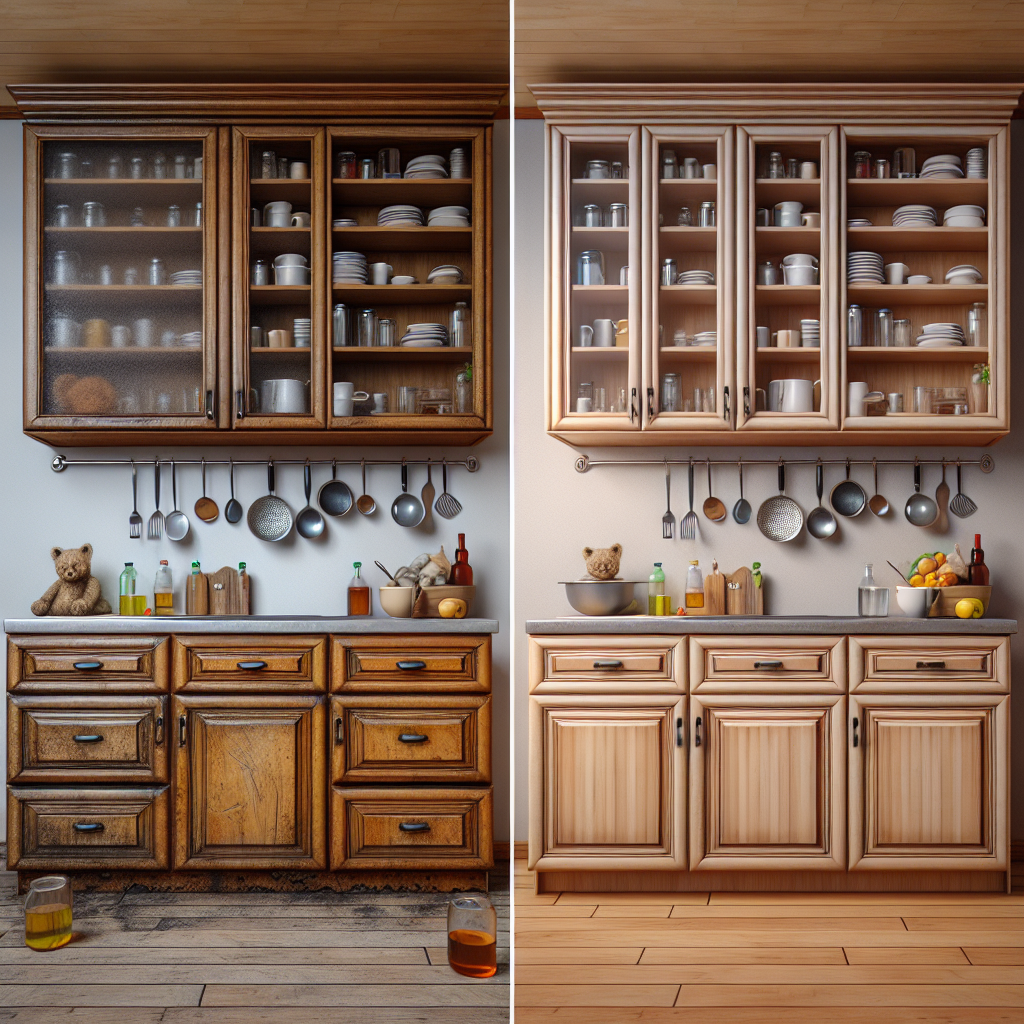
You’ve scrolled through enough before-and-after pictures to know the after can look great. Then someone at home says what one homeowner’s partner said about refacing, that it’s “a temporary fix,” and you start wondering what you’d really see standing at your own sink on a Tuesday night. Will it look like new cabinets, or like your old cabinets with new doors hung on them?
That’s a fair thing to be skeptical about, and plenty of couples have this exact conversation at the kitchen table. The answer comes down to knowing which parts of the kitchen are new in the after picture and which ones are the same as they were before.
The parts that are new, and the parts that stay
What does cabinet refacing include?
Refacing puts new doors and drawer fronts on the cabinet boxes you already have, and the face frames and exposed sides get finished to match them. Hinges and hardware get swapped or reused at the same time. The boxes, the layout and the countertops stay where they are.
That one paragraph explains most before-and-after photos. Everything you see from across the room changes, because doors and drawer fronts are most of what a kitchen shows you. The footprint doesn’t change at all, so the sink is in the same spot, the granite is the same granite, and the cabinet over the fridge is still the height it always was.
The scope gets described a little differently depending on who’s doing it. One reply on a cabinetry forum gave the full version: “Cabinet Refacing includes covering all side panels and face frames in matching wood.” Other jobs paint or refinish the frames instead of covering them. Either way the frames belong in the job, and a quote that only lists doors is really a quote for new doors. The cabinet refacing page lists each part on its own line, so you can see what a full job is made of.
Why the frames decide whether it looks new
The doors get the attention, but the frames are what makes an after picture hold up in person. A face frame is the strip of wood around each opening, and on a framed cabinet you see it between every pair of doors and around every drawer. Leave it alone and you’ve got crisp white shaker doors sitting in a grid of twenty-year-old honey oak.
The more common problem is quieter than that. The frames do get finished, just not quite the same way as the doors, and the two colors don’t agree. Someone who’d just moved into a house wrote, “it bothers me that the frame/casing isn’t the same color at all.” In a thread about new cabinet doors that came out the wrong color, a commenter who let it slide had this to say: “we didn’t say anything and I regret it. 6 years later, it still bugs me.”
That’s why Cabinet Transformer’s crew finishes the frames and the doors to the same color with the same prep and the same topcoats. Every surface gets cleaned, degreased and sanded, then a commercial-grade primer, then the professional topcoats. You pick the color from real physical samples, and it pays to hold the sample against one of your own frames in your own kitchen light before anything is ordered, because the light over a sink at four in the afternoon looks nothing like a showroom.
What’s still the same kitchen in the after picture
Then there’s everything refacing leaves alone, and it’s worth knowing before you fall for somebody’s after photo.
The boxes stay. That’s the whole idea, and it’s also why refacing only works when the boxes are worth keeping.
The layout stays. If the dishwasher sits in an awkward spot or the corner cabinet is a black hole you’ve never been able to reach into, refacing gives you a much better-looking version of that same layout.
The countertops stay. A lot of people choose refacing precisely so the granite can stay put, and the tops aren’t touched. If you want new counters too, that’s a separate job with a fabricator, since Cabinet Transformer doesn’t install countertops.
Behind the new doors are your old shelves and your old drawer boxes, unless you ask for something different, and honestly that’s where a lot of the best upgrades hide. Shelves in a base cabinet can become drawers, tired drawers can get new boxes and soft-close slides, and the doors can get new hinges. One homeowner who was happy with their refaced kitchen said the installers “used my existing hinges (but I recommend slow close hinges if it’s in your budget).” None of that shows up in a photo, but it’s the part you notice every day afterward.
When the after picture won’t look new
On solid cabinets with a layout that works, refacing is money well spent. On boxes that are failing it only covers the problem up, and a photo won’t tell you which kind you’ve got.
The usual trouble spot in a Dallas kitchen is the sink base. A slow leak from years back swells the particle board along the bottom edge, and new fronts on a swollen box still leave you with a swollen box. Open the sink cabinet, look at the floor of it, and check that the drawers still run. Swollen edges get repaired or replaced before any new fronts go on, and if enough of the kitchen looks like that, new cabinets are the better money.
In a thread about refinished cabinets, one person put the good case simply: “The cabinets were good quality to begin with and they look like new.” The first half of that sentence is doing most of the work.
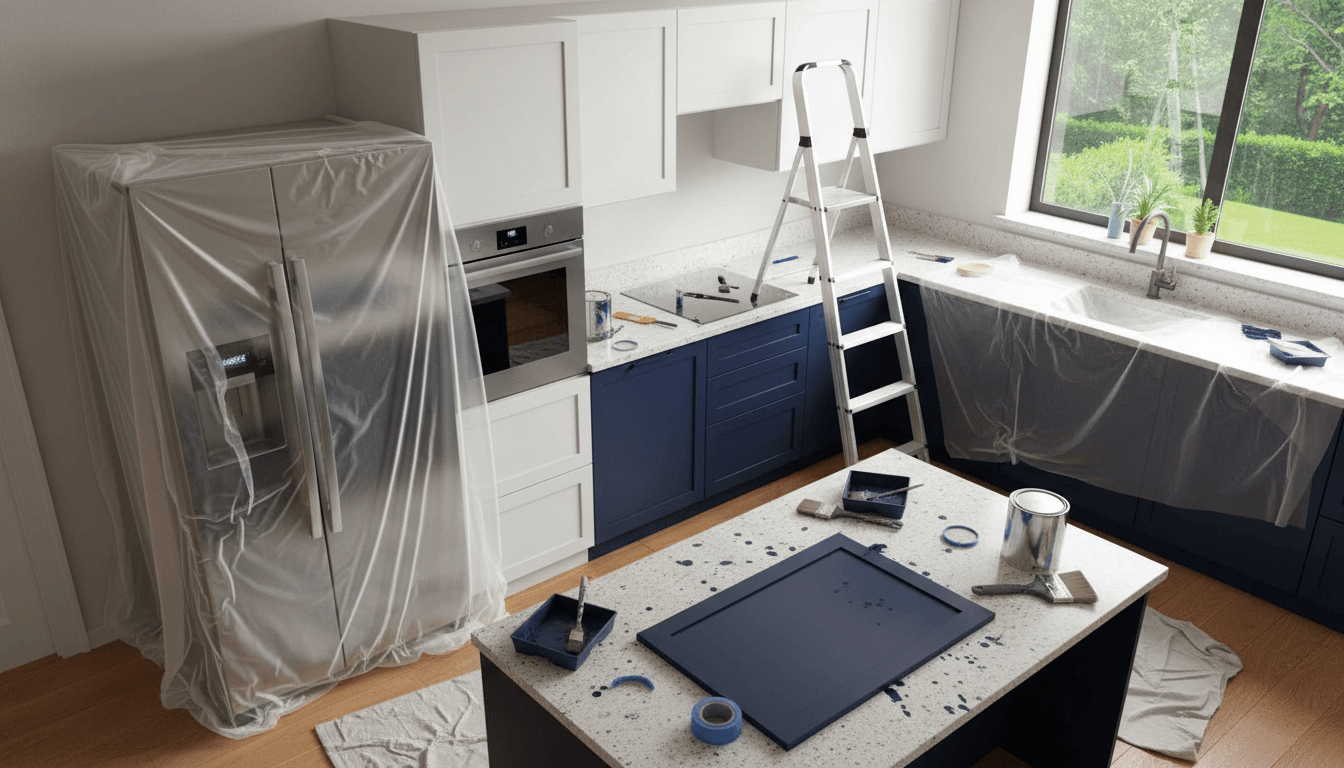
If it’s only the color you hate and the door shape is fine, you may not need refacing at all. Painting keeps your doors and changes the finish, and it costs less. The before-and-after pairs in the gallery are painting jobs, which makes them a handy comparison here: same doors, same shape, new color. If you’re starting from oak, read what painting does to oak grain before you decide between the two.
How to read someone else’s before and after
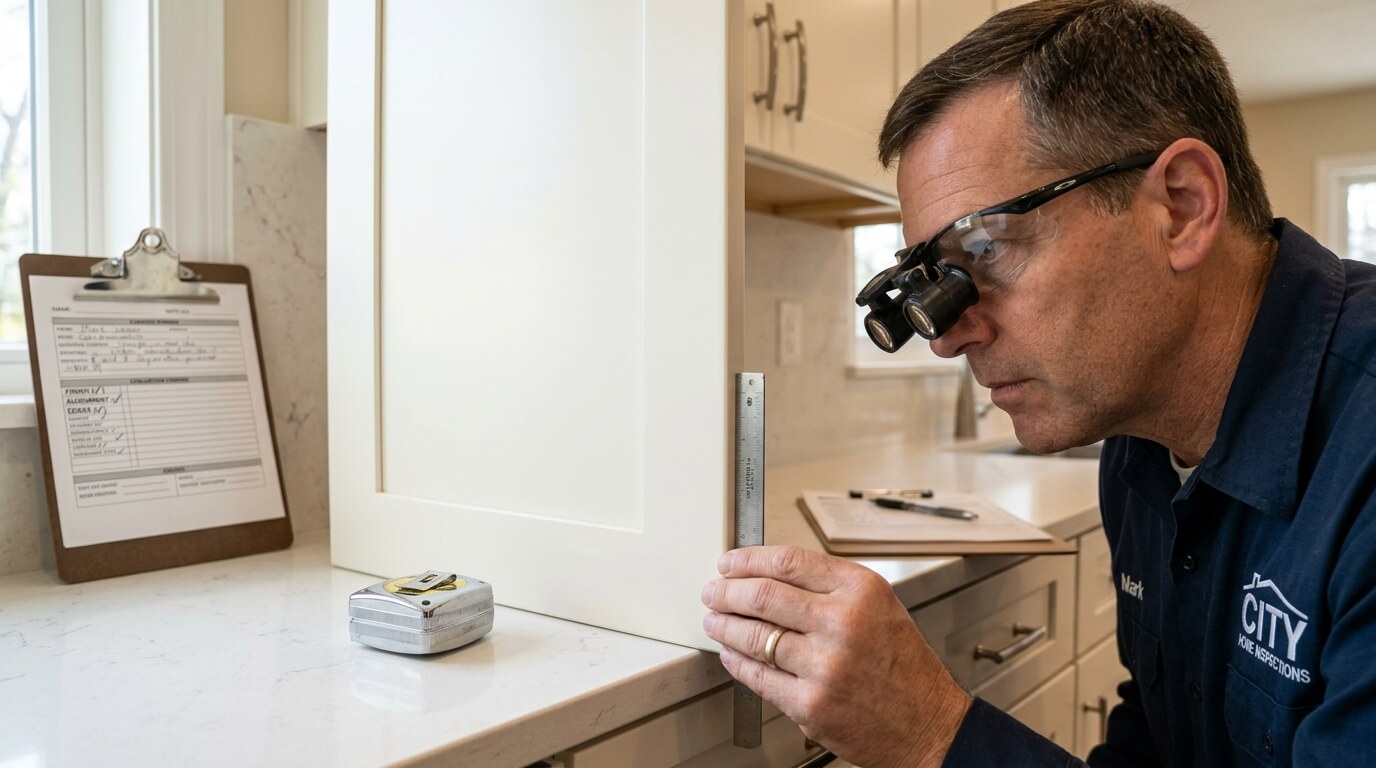
When you’re scrolling photos online, look at the frames between the doors rather than the doors themselves, and check that they match in the after shot. Look for an open door or drawer somewhere in the picture, since a photo with everything closed only shows you the fronts. And look at the end panels at the end of each run and on the island, because those exposed sides have to match too.
Of course, the only before and after you’ll live with is the one on your own boxes. If you’ve been working out what it might cost, the refacing cost breakdown goes part by part. If you’ve been tempted to do it yourself, the DIY refacing guide is straight about where that goes wrong. Most refacing jobs take three to five days once they start.
Cabinet Refacing Dallas books free in-home consultations with Cabinet Transformer, a family-owned crew that’s been refinishing Texas kitchens for more than 25 years. Cori comes out, opens the doors, checks what the boxes are made of, and tells you whether refacing, paint or new cabinets fits before she quotes you on the spot. Read more about cabinet refacing, book a consultation, or call (469) 281-7313.
Last updated November 2, 2026